About
Why this archive exists, what it believes, and where it began.
Mission
This archive documents sexual-abuse cases and institutional cover-ups by clergy and by the schools and ministries churches run. It is built only from court records and public sources, and it exists to do one thing: make the record permanent, organized, and readable — so that what an institution did, and what it declined to do, cannot be waited out and forgotten.
“As I live, saith the Lord GOD, surely because my flock became a prey, and my flock became meat to every beast of the field, because there was no shepherd, neither did my shepherds search for my flock, but the shepherds fed themselves, and fed not my flock;”
Ezekiel 34:8
It is where this archive's name comes from: a flock made prey, not because the wolves were strong, but because there was no shepherd watching — the shepherds fed themselves instead.
One standard
The Catholic Church’s abuse crisis has been documented for decades: by grand juries, by attorneys general, by newsrooms, and by archives that track abusive priests diocese by diocese. That scrutiny was earned, and it should continue.
But it has a shadow. Evangelical churches, independent Baptist congregations, and the Christian schools attached to them operate with no bishops’ conference to subpoena, no diocesan files to pry open, and — in the main — no comparable archive at all. Abuse in those institutions surfaces one criminal case at a time, is covered as one man’s crime, and disappears from the record when the news cycle ends. The institution that employed him, was warned about him, or declined to answer for him is rarely part of the story a year later.
This archive’s thesis is the publisher’s, stated plainly: non-Catholic churches and Christian schools have largely escaped the scrutiny the Catholic Church receives, and that asymmetry protects abusers. The remedy is not less scrutiny of anyone. It is one standard, applied to all of them — Catholic, evangelical, independent Baptist, and every other denomination — measured by the same public record.
Measured against their own book
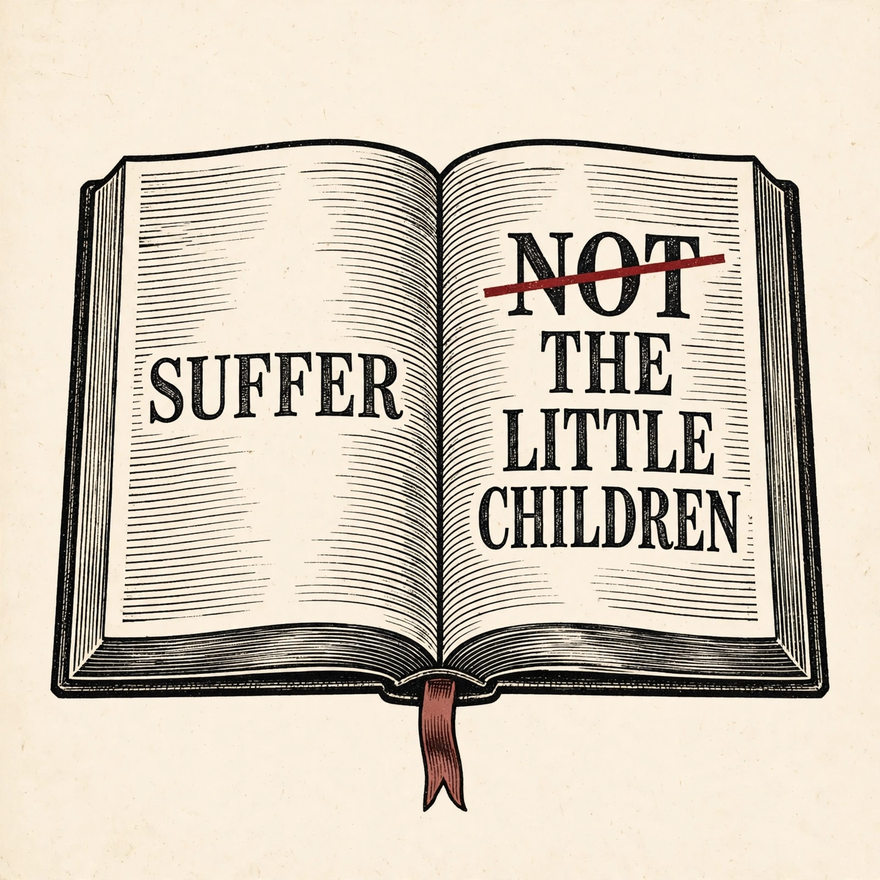
Throughout this site, the case files are paired with short quotations from the King James Bible — the translation most of the institutions profiled here themselves use — each quoted exactly and cited by chapter and verse. That is not decoration, and it is not this archive preaching. It is a standard of measurement. These institutions ask to be trusted on the authority of that book; what the book says about protecting children, about shepherds who feed themselves, about witnesses who stay silent, and about bringing hidden things into the light is therefore part of the record, and it is printed beside their conduct so the reader can compare the two.
The full collection — the duty to protect, the accounts of sexual violence and who bears their guilt, the shepherds and leaders, and the texts on truth-telling — is gathered on In Their Own Book, including the cautions that govern how two difficult passages may and may not be used.
Where it began
The archive began with one school: a small church-run school in West Chester, Pennsylvania, where a teacher served for 29 years before a former student came forward and a court did what the institution had not. That case — built from its docket, its sentence, its appeals, and the records requested to test what survivors allege — is Case No. 1, and it is the template every later case file follows.
Credit where it is due: that case reached a courtroom because former students organized first — in the Facebook group “I survived West Chester Christian School (at least for a while)” and the wider West Chester Christian School survivor community on Facebook — found each other, compared accounts, and went to the authorities. This archive exists in their debt, and Case No. 1 records the credit in full.
Who publishes it
The archive is published by a former student of that school, who has publicly alleged that the institution allowed the abuse in Case No. 1 to continue. That allegation is recorded in the case file where it belongs — in the allegations tier, attributed, unproven — and it buys the publisher no special treatment in these pages: the same standards govern his own claims as govern everyone else’s. That is the point of having standards.